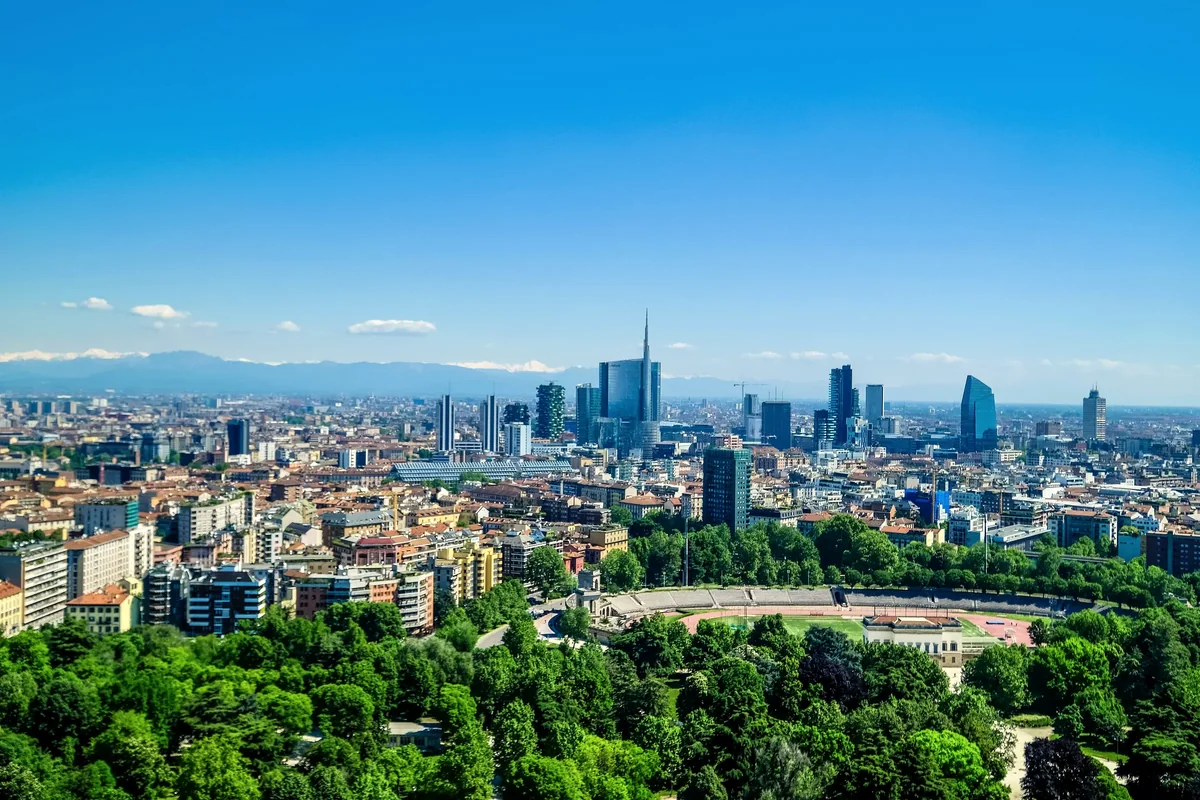
Start with the exact workplace or campus and set a maximum door-to-door journey. Follow direct metro, tram and suburban-rail routes outward. Visit or video-check the specific street at the times you will actually use it.
How to choose a Milan neighbourhood
Neighbourhood labels are useful for orientation, but rentals happen building by building. A quiet courtyard and a noisy street can be metres apart. Compare each candidate on five points: door-to-door commute, total housing cost, evening journey, building condition and access to the daily services you actually use.
Commute
Prefer one direct route over a shorter journey with multiple changes. Check the last part on foot as carefully as the metro.
Housing stock
Older buildings may offer character and larger rooms; newer developments can add lifts, insulation and higher service charges.
Daily rhythm
Restaurants and nightlife are benefits until they are below the bedroom. Observe the street after dark and on weekends.
True cost
Compare rent, building charges, heating, transport and the furnishing work needed to make the home usable.
Central Milan: Brera, Moscova and Porta Venezia
Brera and Moscova
These areas suit renters who value walking, established streets and immediate access to central Milan. The trade-off is usually price and a smaller selection within the same budget. Older buildings vary widely: check lift access, natural light, heating and internal-courtyard noise.
Porta Venezia
Porta Venezia combines central access, a strong street life and useful east-west transport. It can suit people who want restaurants and services close by. Compare the exact side street, because the experience changes quickly between main roads and quieter residential blocks.
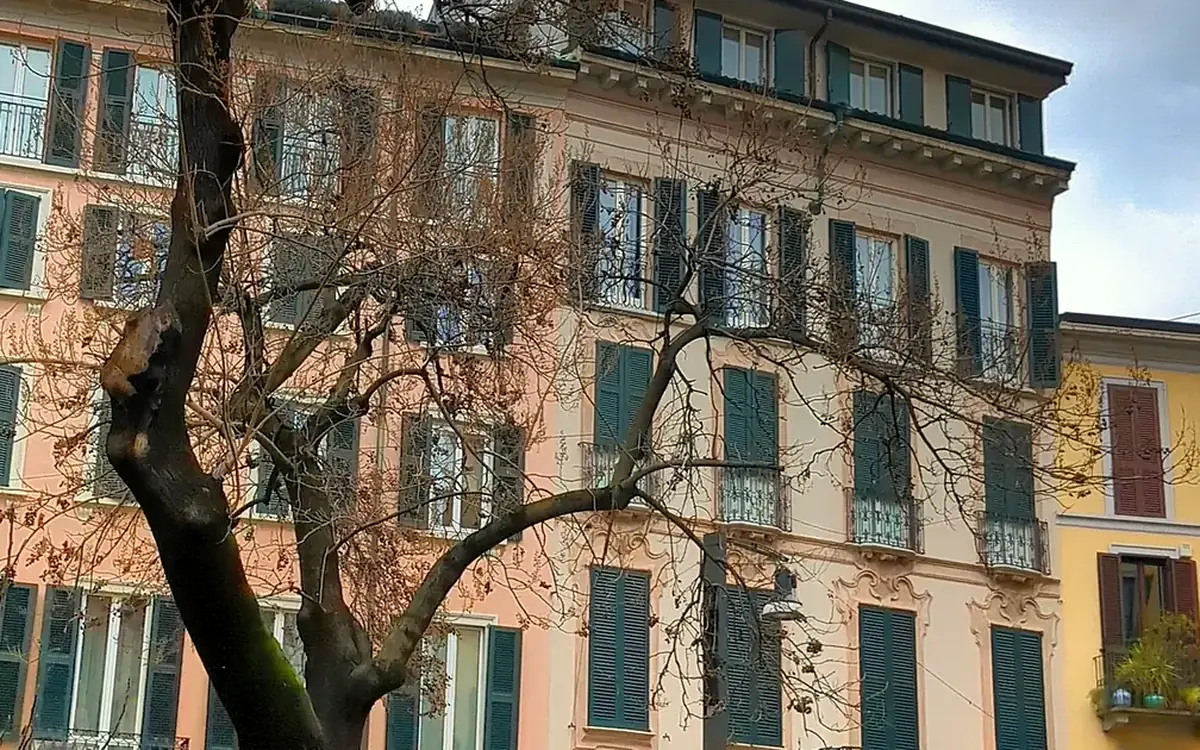
East Milan: Città Studi, Lambrate and Porta Romana
Città Studi
A natural search area for parts of Politecnico and the university community, with residential streets and varied room supply. Confirm the campus: “near Politecnico” can still mean an inconvenient journey to your actual building.
Lambrate
Lambrate can offer more space and useful rail/metro connections while remaining close to the east side. Housing and street atmosphere are mixed, so the station distance and late-evening walking route deserve a specific check.
Porta Romana
Porta Romana appeals to renters who want a residential feel with restaurants and a direct route toward the centre. Availability can be competitive. Search beyond the best-known streets and compare both metro and tram access.
North Milan: Isola, NoLo, Bicocca and Dergano
Isola and Porta Nuova
Isola mixes older neighbourhood streets with the modern Porta Nuova edge and strong connections around Garibaldi. It works well for many northern office routes. Newer buildings can carry premium rents and higher building charges, so compare the full monthly number.
NoLo
The broad area north of Loreto offers active local streets and direct links on the red line. It is not uniform. Visit the precise block, test the walk from the metro and check whether nightlife, traffic or quieter residential use dominates.
Bicocca
Bicocca is practical for its university and northern business destinations, with more recent development in places. It is less central in feeling, which can be a benefit if your routine is concentrated in the north.
Dergano and Bovisa
These areas can be useful for Politecnico Bovisa and north-west connections. Train, metro and tram options vary by address, so do not judge the commute from the neighbourhood name alone.
South and west: Navigli, Ticinese and Bande Nere
Navigli and Ticinese
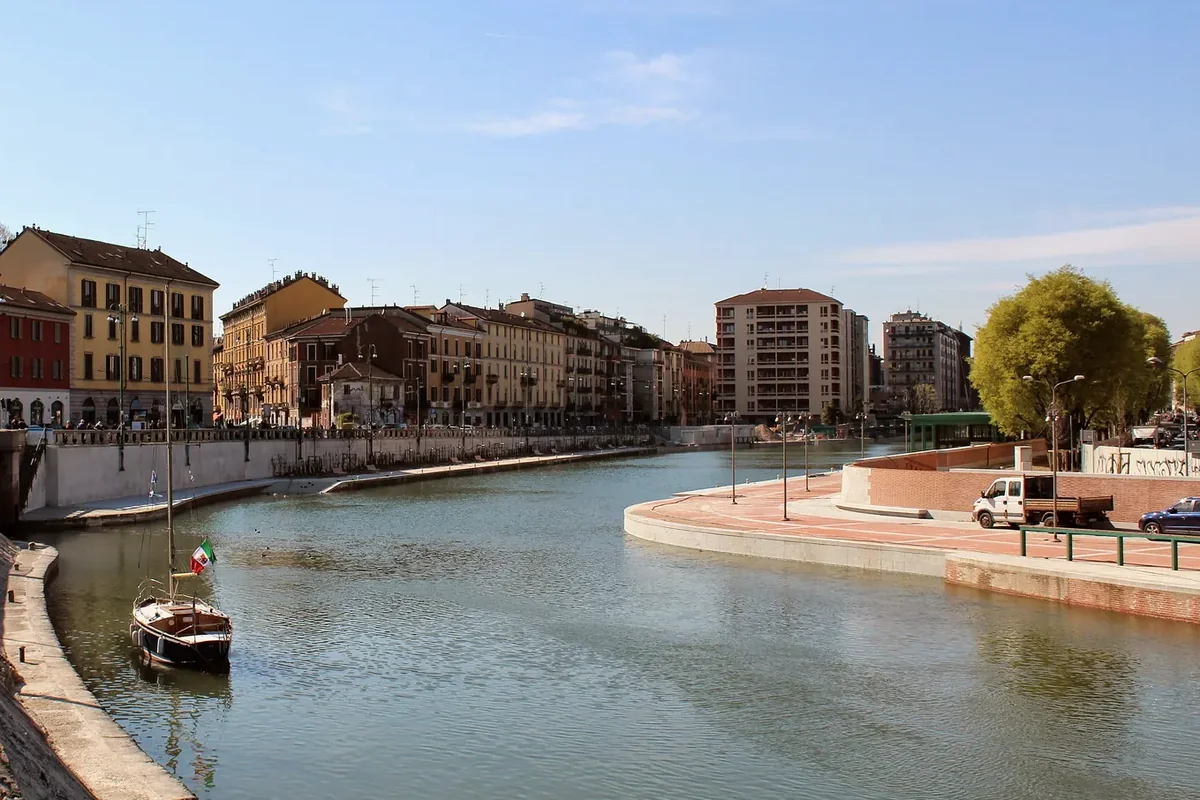
The canals and surrounding streets offer an unmistakable atmosphere, restaurants and southern connections. Noise and foot traffic are highly street-specific. Check bedroom orientation, windows and the evening environment before choosing a beautiful view.
Bande Nere and De Angeli
West-side residential areas can suit renters who want metro access and more conventional apartment buildings outside the historic core. Check the exact distance to the red line and whether the apartment’s size advantage survives the commute.
Build a three-area shortlist
Choose one ideal area, one practical area and one value alternative on the same transport corridor. This keeps the search focused without allowing one scarce neighbourhood to control the entire move.
- Pin the exact daily destination.
- Set the maximum total monthly cost and journey.
- Select three areas on direct routes.
- Compare five recent listings in each area.
- Remove any area where the real supply does not match the brief.
Need a street-level comparison? The Verified and Concierge packages include a neighbourhood and commute read for every shortlisted apartment, not just a generic district description.
Official geographic context
Milan is divided into nine administrative municipalities, with Municipio 1 at the historic centre and the other eight arranged around it. The Comune di Milano also uses more granular local identity areas. For official boundaries, use the Comune di Milano municipality map; for renting, still evaluate the exact address.