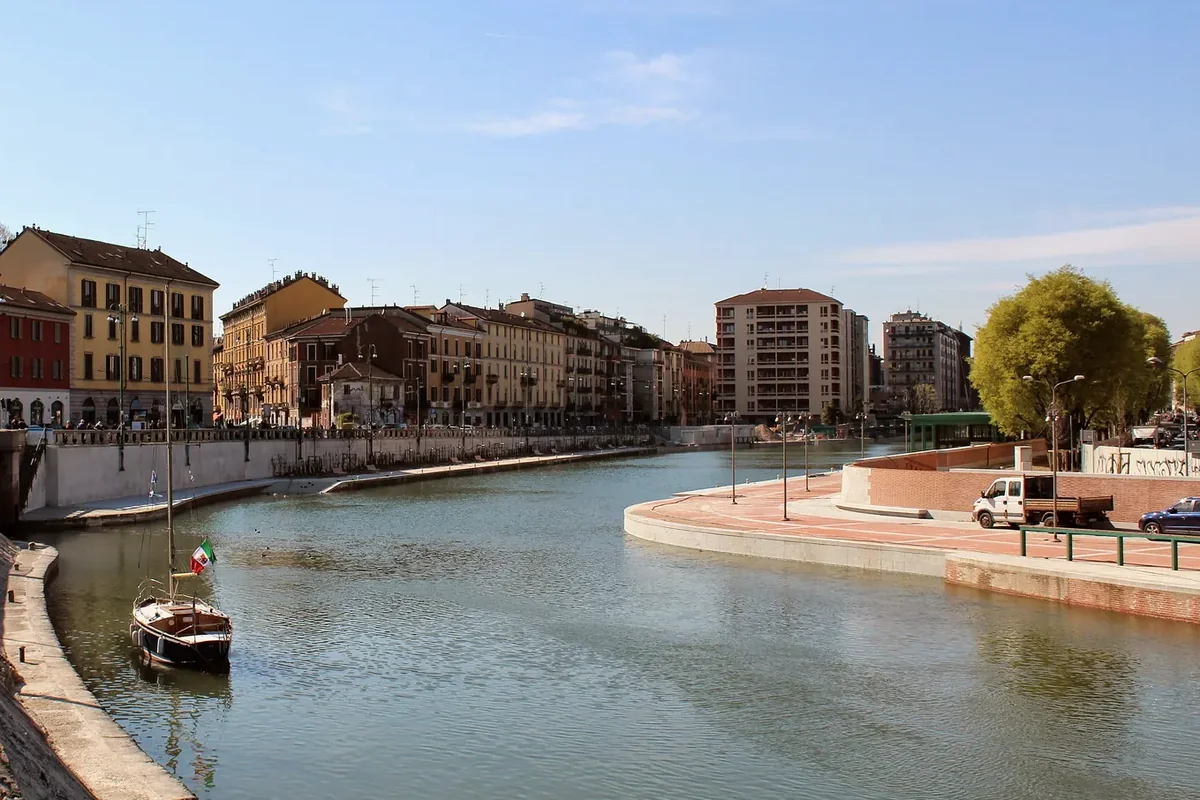
Renting in Milan is possible as a foreigner, but speed and preparation matter. Build one clear renter file, compare the total monthly cost rather than headline rent, keep several acceptable areas open and never transfer money until the person, property and contract have been checked.
What the Milan rental market feels like
Milan combines strong demand from students, international workers and people relocating within Italy with a limited supply of well-priced homes. Attractive listings can receive many messages quickly. The practical consequence is not that you should rush into the first apartment; it is that the checking work should happen before the right apartment appears.
Room and apartment prices vary heavily by size, condition, transport and contract. For one useful benchmark, Politecnico di Milano’s StudMIHome project reported an average of €637 for a single room and €492 for a place in a shared double room in its 2024 student survey. Treat those figures as research context, not a quote for today’s listing.
Monthly rent is not the full housing cost
Before comparing two listings, rewrite each one into the same monthly format. Ask whether the advertised number includes spese condominiali (building charges), heating, water, electricity, gas, internet and waste tax. A lower rent can be the more expensive home once those items are added.
Usually upfront
First rent payment, security deposit and, where an agency is involved, its commission. Exact amounts and tax treatment must be stated before you commit.
Usually recurring
Rent, building charges and utilities. Heating can be centralised or independent, which changes how costs appear.
Sometimes separate
Internet activation, electricity or gas transfer, waste tax and registration-related amounts depending on the contract’s tax regime.
Often overlooked
Furnishing gaps, a temporary stay before move-in, commute cost and the time needed to arrange utilities.
Ask for one written list of every amount due before signing and before key handover. If a cost cannot be explained in plain language, pause.
When to start searching
Four to eight weeks before the desired move is a useful starting window for many private rentals. Start earlier if you need a specific school area, a large family apartment, pet acceptance or a short/transitory contract. Searching much earlier can produce listings that are unavailable by your date.
- Six to eight weeks out: define budget, commute and application documents.
- Four to six weeks out: monitor new supply every day and answer viable listings quickly.
- Two to four weeks out: view, verify, negotiate terms and review the draft contract.
- Before payment: confirm identities, address, amounts, bank details and the signing sequence.
Prepare a renter file before you message
There is no single universal file accepted by every landlord. A strong application commonly includes identification, Italian tax code, proof of work or study, evidence that the rent is affordable and a short explanation of who will live in the property. If your income is outside Italy, add translated context rather than sending unexplained statements.
- Passport or identity document
- Codice fiscale for each tenant
- Employment letter, recent payslips or university enrolment
- Evidence of savings or a guarantor when requested
- Desired start date, expected duration and number of occupants
- Residence permit or visa context where relevant to your stay
See the full documents checklist for renting in Italy.
Choose by commute first, neighbourhood name second
A beautiful district is not useful if the daily journey requires two unreliable changes. Put the workplace or university on the map, set a door-to-door limit and follow the metro and suburban rail lines outward. Milan’s administrative boundaries are not how renters experience the city; two streets inside the same broad area can feel and cost very differently.
Central & polished
Brera, Moscova and Porta Venezia offer walkability and established city life, usually with a higher price per square metre.
Connected & modern
Isola, Porta Nuova and the areas around Garibaldi suit northern connections and modern offices, with mixed old and new housing.
Student-oriented
Città Studi, Lambrate and Bicocca can work well around their universities, but check the exact campus and transport route.
Residential value
NoLo, Dergano, Bande Nere and outer-metro districts can offer more space, while street-by-street checks matter more.
Use the detailed Milan neighbourhood guide for renters to compare nine practical search zones.
The apartment search, step by step
1. Define the non-negotiables
Set a maximum total monthly cost, not only a base rent. Add move-in date, minimum contract duration, furnished/unfurnished, pets, lift, floor and commute. Keep the list short enough that real homes can match it.
2. Search more than one source
Large portals are useful, but agencies, university channels and local networks may carry different stock. Save the same filters and check new listings rather than repeatedly browsing old ones.
3. Read the Italian wording carefully
Identify the contract type, included costs, floor, lift, heating, energy class, deposit and agency role. “Spese escluse” can turn an attractive headline price into the wrong apartment.
4. Verify before you become emotionally committed
Confirm the exact address, who is offering the home, whether a live or recorded viewing is possible and which documents will support the contract. Reverse-image and duplicate-text checks can expose copied listings.
5. Review the draft, then pay in the agreed sequence
The contract should identify the parties, property, duration, rent, deposit, permitted occupants and responsibilities. Do not rely on promises that contradict the written terms.
Contracts and registration
Common residential arrangements include open-market 4+4 contracts, agreed-rent 3+2 contracts, transitory contracts and student contracts. The label alone is not enough: the eligibility, duration, cancellation terms and local rules matter.
The Italian Revenue Agency states that rental contracts lasting more than 30 days in the year must generally be registered, and registration is due within 30 days of signing or the earlier start date. Ask for proof of registration and keep your signed copy. Read the separate guide to Italian rental contract types.
How to search from abroad without taking blind risk
A remote search should create more evidence, not fewer checks. Request a live video call from outside the building through the apartment, ask to see details that are absent from the ad and verify that the proposed signer is entitled to rent the property. If a representative is involved, ask what authorises them.
Do not let urgency replace verification. Pressure to pay immediately, refusal to show the exact property, mismatched names or bank accounts, and a price far below comparable homes are reasons to stop. Use the complete rental scam checklist.
Quick questions
Can a foreigner rent in Milan?
Yes. The difficult part is usually satisfying a landlord’s evidence and guarantee requirements, not a blanket ban on foreign tenants.
Should I use an agency?
An agency can provide access and coordination, but it adds cost and does not remove the need to read the listing and contract. Independent search support is different: Domovita is paid by the renter and does not take landlord commission.
Can I sign before arriving?
Remote signing is possible in some situations, but the identity, authority, property and signing/payment sequence need stronger verification. Never assume a PDF alone proves the offer is genuine.
Sources and further help
- StudMIHome, Politecnico di Milano: student housing research and legal-support project.
- Agenzia delle Entrate, RLI Web: official rental-contract registration information.
- Comune di Milano, municipality map: official territorial context.
This guide is general information, not legal or tax advice. Contract eligibility and obligations depend on the facts and current rules; use a qualified professional for a specific dispute or legal decision.